Thematic Areas

Governance

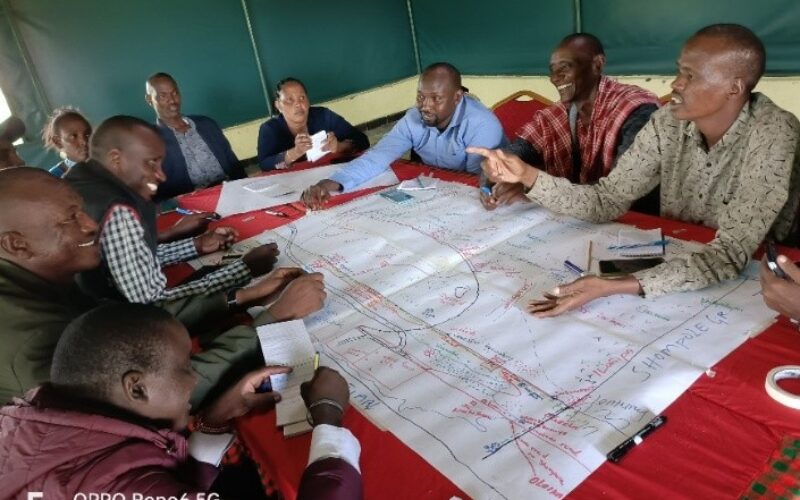
SORALO’s Governance work focuses on strengthening communal decision-making processes to ensure that communities within the South Rift landscape secure rights to land. This is critical because the future of these pastoral communities is primarily dependent on functional governance systems for shared resources to be managed sustainably.
We work with communities through their existing leadership structures, creating platforms for dialogue and supporting informed decision‑making through training and capacity building. Our role is purely facilitative we do not make decisions for communities but support them to lead and own their processes.
Our key activities include training communities on relevant laws, supporting participatory land use planning, and helping establish conservancies. We also build community capacity through exposure visits and peer learning and support the development of governance tools such as constitutions and by-laws. In addition, we assist communities to gain legal recognition and register governance structures, including community lands, associations, and conservancies.

Impact on the Ground

The impact is being felt on the ground. Three community lands covering more than 100,000 acres have been officially registered, strengthening community ownership and security over their land. Close to 30 conservancies are now formally registered, supporting coordinated and community‑led conservation. In addition, three conservation investments have been successfully negotiated on behalf of communities, contributing to improved livelihoods and more sustainable land and resource management. Nonetheless, Governance work does take place in a complex and changing environment. Communities face increasing pressure on land, competing land‑use interests, and external political influences. In addition, efforts by different actors are sometimes uncoordinated, which can strain local governance systems. Going forward, our focus will be on strengthening communal governance at the local level through practical, well‑coordinated, and community‑led approaches.

Rangelands (Eramatare)

Our Rangelands (Eramatare) work focuses on restoring degraded rangelands while strengthening their productivity and resilience across the South Rift landscape. By improving how rangelands are managed, we support sustainable livelihoods and promote peaceful coexistence among communities and wildlife who depend on these shared ecosystems.
We work with communities who own and manage the land, using our community‑first approach that values collaboration, shared learning, and local leadership. By combining new ideas with indigenous knowledge, we support a continuous learning through Ele’enore, where communities learn from one another and adapt together.
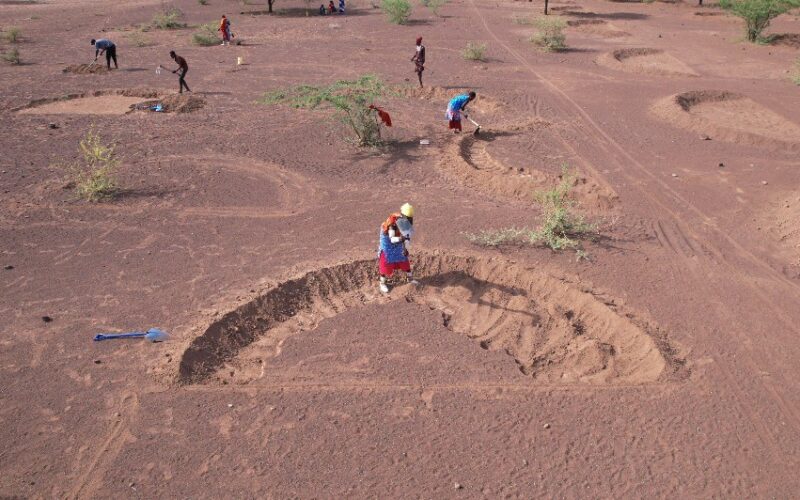
Our key activities include rangeland restoration, exchange and learning visits, livestock breed improvement and management, and the control of invasive plant species. We support hands‑on restoration efforts such as soil bunds (Earth Smiles), the rehabilitation of olopololis, and the establishment of grass seed banks many of which are led by women, strengthening gender equity. We also use community radio to share knowledge and encourage learning by doing.
As rangeland management continues to evolve, we remain committed to continuous learning and adaptation through Ele’enore, education, health initiatives, youth empowerment including our annual event - the Osotua Tournament and deeper collaboration with local and international research institutions.

Impact on the Ground

The impact of this work is being felt on the ground. Restored areas are showing increased biomass, invasive species are being brought under control, and more women are actively engaged in Eramatare initiatives. Pastoralists are increasingly accessing grass seed to restore their own olopololis, while women‑led grass seed banks are generating income and meeting growing demand across the South Rift. These efforts are also contributing to more responsive and engaged community leadership.

At the same time, this work is carried out across a vast landscape with limited resources, slow technology adoption, local political dynamics, and persistent poverty. In response, our focus is on scaling what works. Next steps include expanding areas under intensive restoration, strengthening protection of boreholes and water sources, improving livestock breeds, and increasing the meaningful involvement of youth and women across all aspects of Eramatare.

Education

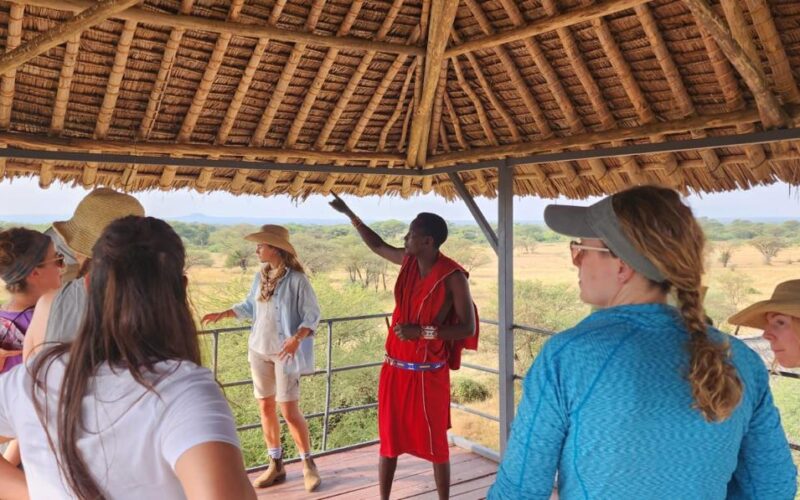
As part of our education program, we host different groups – from interns to students from The Sprout Experience, University of New England, board members and friends of the Cincinnati Zoo and Botanical Garden (CZBG), and Earth Expeditions. We have continued to make these partnership at the global level work. We have crafted a captivating course designed to give them the ideal Lale’enok experience. Through immersive field-based and classroom learning, they've delved deep into our evolving landscapes, witnessed conservation in action, explored community-based strategies for conservation, and engaged in enriching cultural immersion activities. It's been a journey of discovery and collaboration across borders, enriching minds and hearts alike.

Impact on the Ground

In 2024 we also launched our first Osotua Tournament. The event brought together 47 football teams - 6 of which comprised women and 41 for men. There were over 800 players from five former Group Ranches. We also had six cultural groups and our health team taking part because the tournament was not just about sports - it was a celebration of talent, culture, health, and community. It was a platform to engage youth and women, promote local traditions, culture, and positive behavior in health through sports. To date the tournament has grown exponentially to reach over 250,000 people, 4,600 players, 300 teams and 5 cultural groups
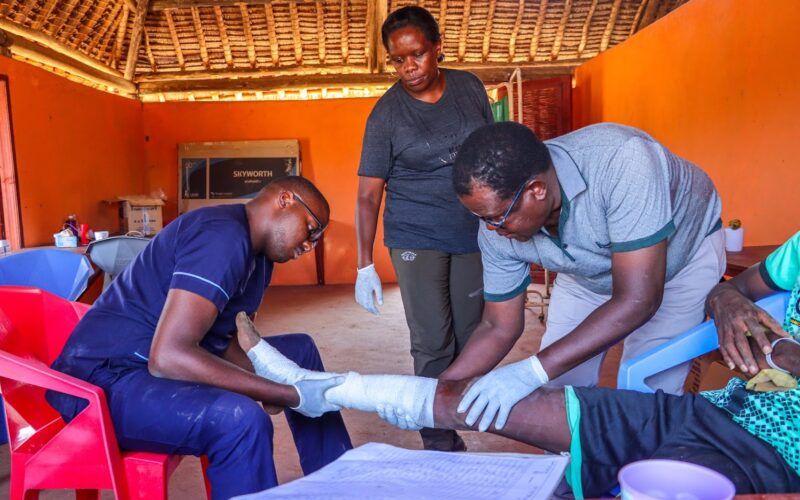
The tournament featured football, volleyball, javelin throwing, cultural dances, and drama performances. Our health team provided free medical care to over 300 people. Each activity was designed to promote awareness on culture, health, conservation, and education, making Osotua a powerful catalyst for change.

COEXISTENCE

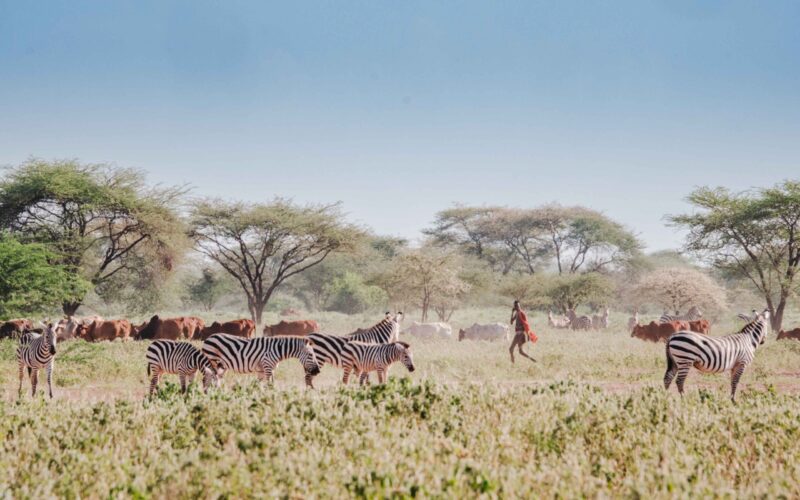
It is estimated that a significant proportion of Kenya’s wildlife is found outside of formally protected areas, mainly on community land. In the light of national declines in wildlife, community areas have become critical for biodiversity conservation across the country. The Maasai have lived with wildlife for centuries through their traditional semi-nomadic pastoral lifestyle, and what could be called a ‘culture of coexistence’. Given this, the conserving coexistence programme puts communities and their livelihoods first, which can subsequently create safe space for wildlife and people. Our work under this programme includes supporting our regional network of community game scouts, helping prevent and manage human-carnivore conflict through our Rebuilding the Pride programme, and assisting communities to develop and manage their conservancies

TOP