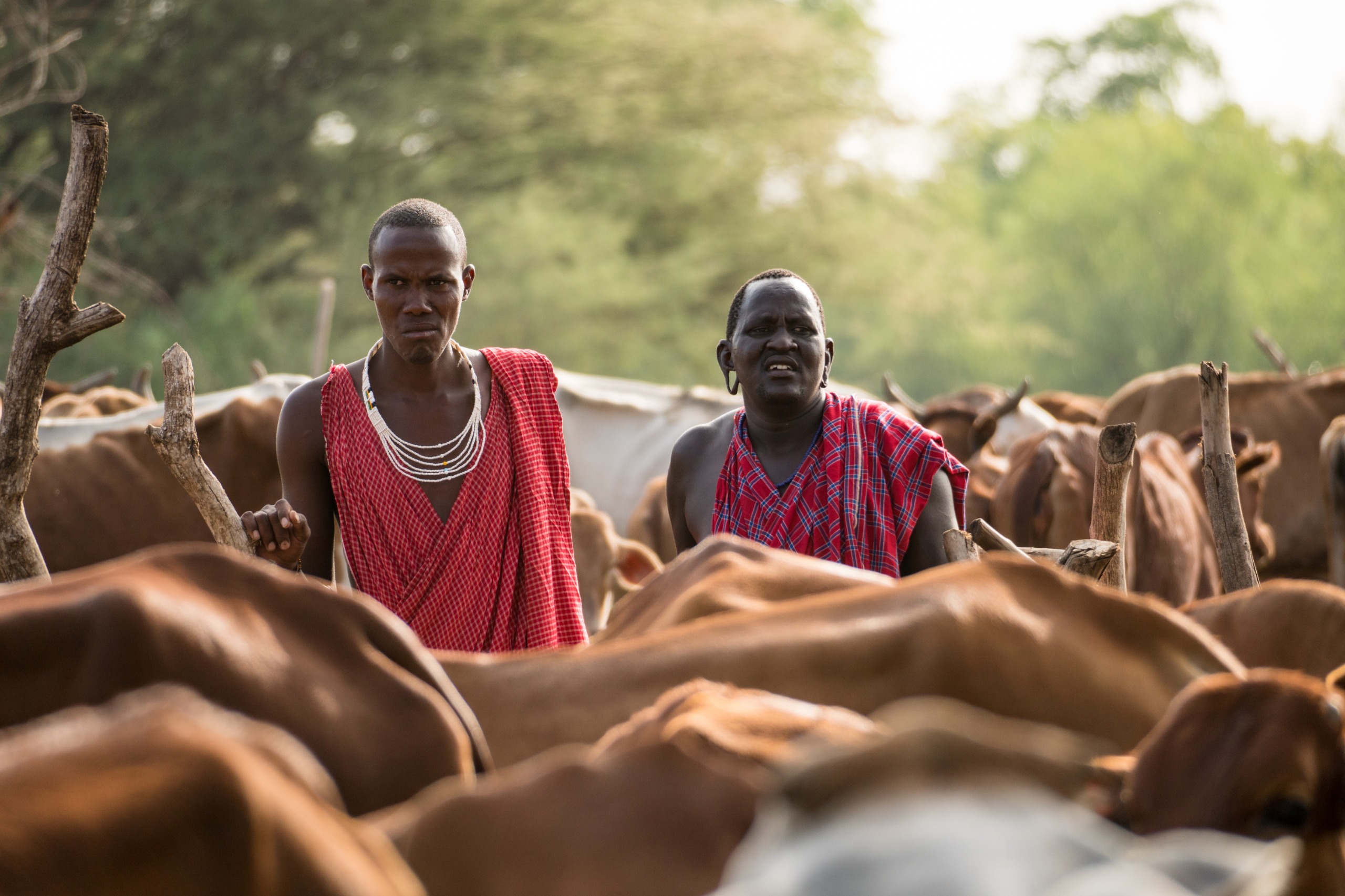
It is founded on a recognition that our member communities as the traditional stewards of this ecosystem and dependents on what it provides already appreciate the value of maintaining a healthy and connected landscape. Therefore our Community First approach works to create an environment in which our communities are supported and enabled to make and implement their own well-informed decisions, which in turn will bring benefits for themselves, the landscape and all that lives upon it. While SORALO can inform, empower and facilitate, the ultimate decision, ownership and success of any initiative and the future of the landscape lies firmly in our communities’ hands. The Community First Approach is made up of four elements. It is important to note that while these elements can be understood as cyclical, they often happen concurrently and continuously.
Be Present
The first step in our approach is to be present on the ground and within our communities. With a vast majority of our staff coming from the landscape and communities which we serve, we are able to carry out our work with an in-depth understanding of local culture and context. Being present enables us to listen to our communities on their terms and in a way that they feel comfortable with, often facilitating more open conversations that allow us to gain new insights into needs, concerns or opportunities across the landscape. Not only does this better inform our work, but it also allows us to create multiple channels of information flow, enabling a larger number and wider variety of community members to be heard, and therefore creating stronger relationships and increasing transparency between all parties.
Key Principles in our ‘Be Present’ work:

Be a Resource
Once we can identify and understand a need on the landscape, we work with communities to create relevant resources that they can choose to – or not to – use. By becoming a source of data and information, facilitating meetings, providing technical support and even employment opportunities, our efforts to ‘Be a Resource’ focus on providing communities with the necessary means to affect change or make decisions themselves - all without influencing the process with our own ideas or innovations.
Key Principles in our ‘Be a Resource’ work:
Be Helpful
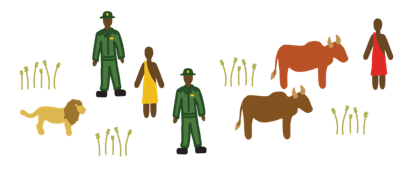
Where ‘being a resource’ focuses on equipping our member communities with the resources they need - but not joining the conversation ourselves – the next step, to ‘Be Helpful’ describes when we become an active agent in the process of collaborating with our communities to identify, design and implement solutions. We work closely with our communities to innovate tools and approaches that fit their specific context. We also provide the necessary products and services - such as seeds for grassland restoration or salaries, training and equipment for wildlife rangers to reduce human-wildlife conflict - to enable our communities to create and implement these solutions successfully.
Key Principles in our ‘Be Helpful’ work:
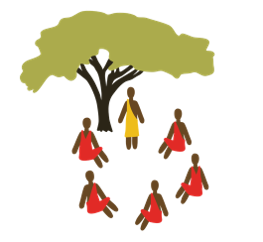
Be Accountable
Being accountable for our processes, actions and impacts is of the utmost importance if we are to continue to successfully collaborate with and serve our member communities in the ways that they require. Through our connection to and presence within the landscape we ensure that there are a multitude of formal and informal, as well as traditional and newer, channels of communication through which we can continuously give updates and receive feedback on our work. We work hard to react quickly to community concerns and ideas, and keep our processes flexible in order to adapt to new information and changing situations.
Key Principles in our ‘Be Accountable’ work:
Voices From the Landscape

Peter LenooswaminNurse-in-charge at Musenke Unit
"This community has faced many health challenges. However, with SORALO’s support including transport, fuel, and financial assistance the community expanded health outreach to remote villages through monthly dialogues that raised awareness of family planning services, especially among men."

Josphat Sarara (OG)Magadi Youth Chairman
"As the Youth Chairman of Magadi War, I would like to thank SORALO and Director, John Kamanga for Osotua Tournament, a platform that brings together thousands of youths across the landscape. Thank you Director for answering our call of request and for doing it with passion and love and for making this tournament an annual event! Ashe Oleng! "

Agnes BritishResident from Oletepesi le Maora
"When SORALO built these water troughs we witnessed something we had never seen before. They separated the taps for wildlife and livestock from the one for people… for the first time our children are safe from water-borne diseases because the animals drink from their place and so do we."

Sirote TipatetChairlady, RETO Women Group
"With the payments we have received from SORALO through bed nights and beadwork proceeds at Lale’enok, our goal is to support more vulnerable girls especially those at risk of dropping out of school due to teenage pregnancy and help them reach the highest level of education possible."
What it is and what it is Not
In defining what our Community First Approach is, it is important to identify what it is not: