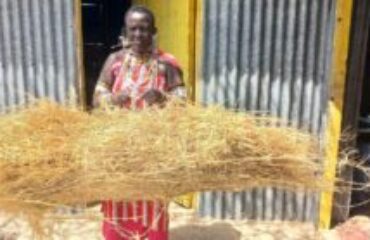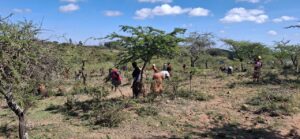
Clearing of the invasive Prosopis plant
This Year of the Rangelands and Pastoralists, we continue the work we deeply believe in: putting communities first. Our work is not just about the land; it is about livelihoods and ensuring that pastoralist communities can continue to depend on healthy ecosystems. As Ogeli Makui puts it:
Rangelands are vast and vital. They stretch across continents from the savannas of East Africa to the prairies of North America. They support biodiversity, store carbon, and sustain millions of people. But they are also under pressure. When land is used intensively over time, it begins to degrade. We see this in the spread of invasive species, shrinking pasture, poor water distribution, and expanding settlements.
And for pastoralists, this hits close to home. Livestock depend on the land, and the land must produce the grasses and shrubs they feed on. When the land suffers, everything suffers. So what do we do? We work with communities to restore both the health and productivity of their land using a mix of local knowledge, science, and practical interventions. One of the ways we do this is through what we call “earth smiles” semi-circular soil bunds that capture rainwater and allow it to soak into the ground instead of running off. These simple structures make a big difference. They increase soil moisture and create the right conditions for grass to grow again. And we are intentional about the grass we plant. We use indigenous grass species that have been researched and proven to thrive in these ecosystems. Communities take the lead preparing the land, planting the seeds, protecting the areas, and allowing the land to rest. When the land rests, something remarkable happens: natural regeneration kicks in, and even dormant seeds begin to grow again. We are seeing this transformation across landscapes in areas like Olkeri and Shompole in Magadi.
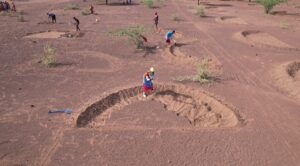
Community members from Olkeri digging soil bunds
However, restoration is not just about planting grass it is also about sustaining it. That is why we have established women-led grass seed banks. These are community-managed plots where women grow, harvest, and sell grass seeds and hay.
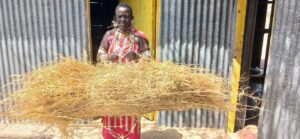
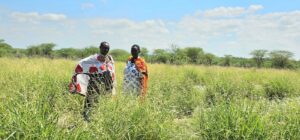
The impact goes beyond income. It supports livestock during dry seasons, improves local microclimates, and reduces the need for women to travel long distances in search of pasture often in unsafe conditions. At the same time, we are tackling invasive species like Prosopis and Ipomoea, which threaten rangeland productivity. We are working with research institutions to better understand how to control them effectively, using science to guide our approach.
We also use technology satellite imagery and field-based tools to identify the most degraded areas and target our interventions where they are needed most. Alongside this, we are improving water distribution so that grazing pressure is spread more evenly across the landscape. When you bring all of this together, the impact is clear.
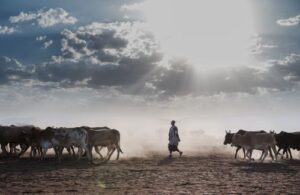
We are restoring vegetation, improving soil and water systems, supporting livestock and wildlife and strengthening livelihoods. And we are creating more space for women to lead and benefit from conservation. For us, restoration is not a one-time effort it is a continuous process of rebuilding resilience. In the end, when we restore rangelands, we are restoring life for the land, for livestock, and for the communities who depend on them.